Whether you are a seasoned contractor or a homeowner tackling a weekend patio project, one truth remains: your finish is only as good as your cut. With the rise of ultra-hard materials like porcelain and the enduring popularity of natural stone, the "one blade fits all" approach no longer works.
At KPT Timber, we have seen how the wrong tool can lead to chipped edges, wasted materials, and unnecessary frustration. This guide is designed to take the guesswork out of your next project, helping you understand the science behind diamond blades and how to select the right one for a professional result every time.
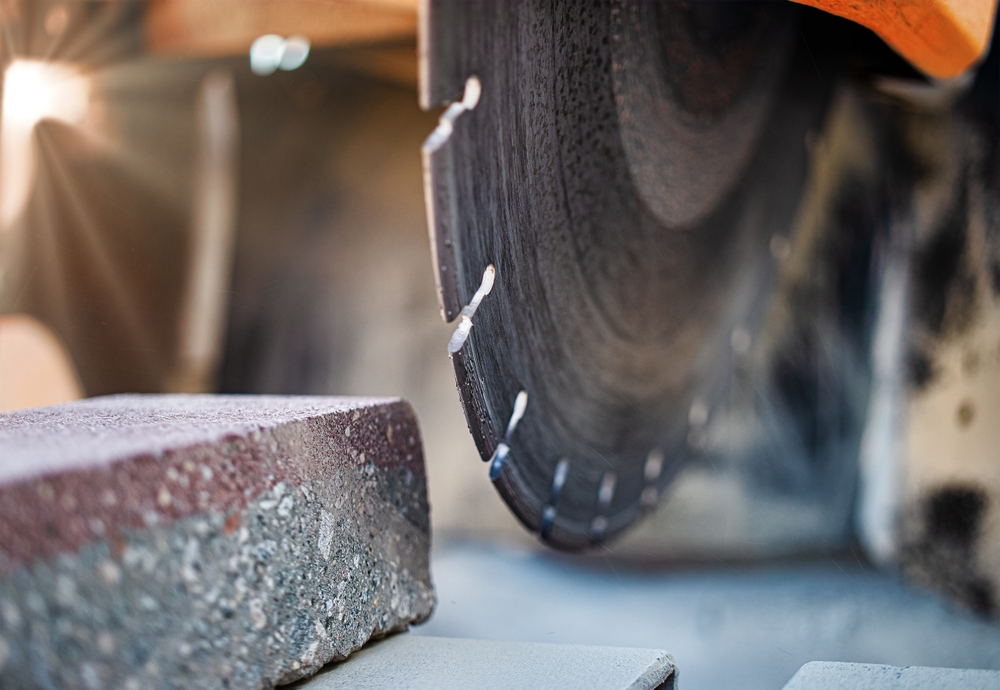
To choose the right tool for your project, it helps to understand that a diamond blade does not actually cut material like a wood saw. It is a grinding tool. Every professional blade consists of a few essential components that work in harmony to turn hard stone into fine dust:
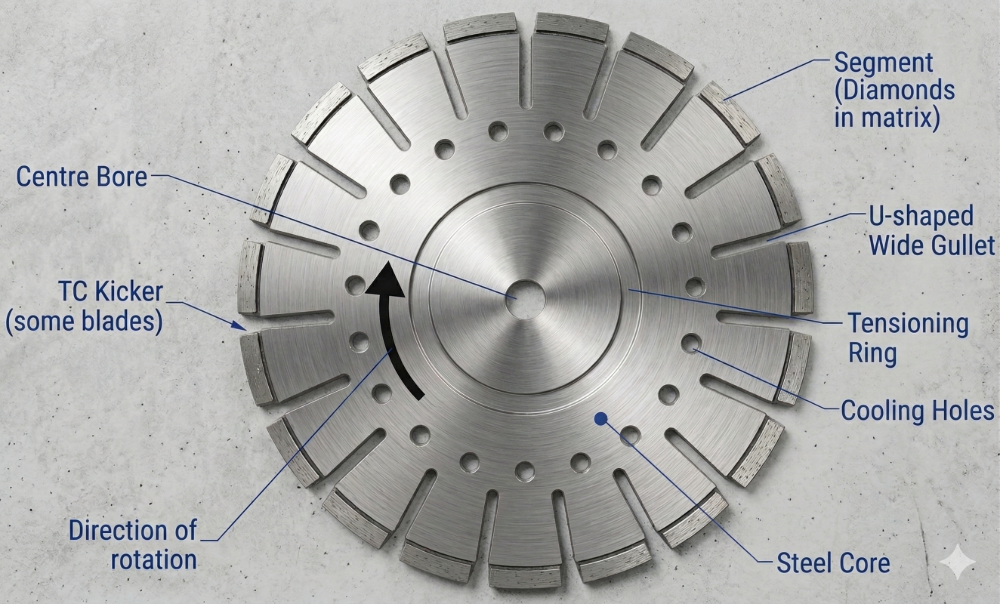
The "Science of the Snag" comes down to how that metal matrix behaves. As you work, the friction of the stone wears away the metal bond, which strategically releases old, blunt diamonds to reveal fresh, sharp ones underneath. This is why matching your blade to your material is vital.
If you use a blade with a "hard" bond on a very hard material like porcelain, the metal won't wear away fast enough. The diamonds become dull, the edge feels smooth to the touch, and the blade simply stops cutting. This is known as Glazing. On the flip side, using a "soft" bond blade on abrasive materials like sandstone will strip the matrix away too quickly. While it will cut easily at first, you will find your diamonds falling away before they have been fully used, leading to a blade that wears out in half the expected time.
Walking into a tool shop can be overwhelming when you see dozens of different rim designs. Here is a simple breakdown of the three main types you will encounter in our range:
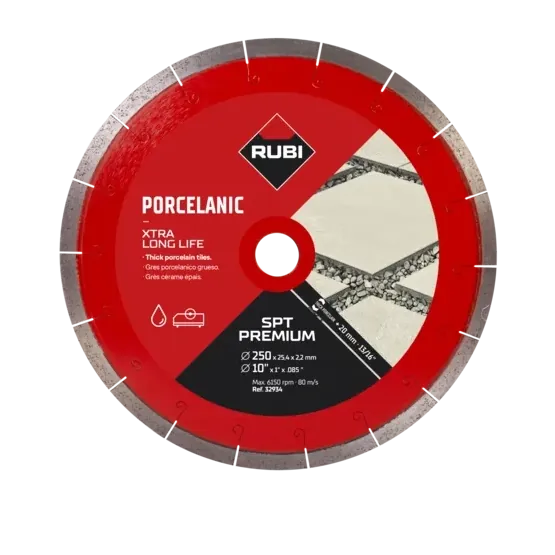
Porcelain has changed the landscaping game in the UK, but it requires respect. It is incredibly dense and brittle, meaning it is prone to "thermal shock" if the blade gets too hot. We always recommend wet cutting for porcelain whenever possible. Using a dedicated machine like the RUBI TC-125 G2 ensures a constant flow of water, which lubricates the cut and keeps the temperature down.
Natural stone, such as sandstone or limestone, is generally more forgiving but can be highly abrasive. For these materials, you need a blade with a harder bond to ensure it doesn't wear out prematurely. The Adder 115 EXT Superpro is a versatile choice here, providing the durability needed for repeated cuts in natural stone without losing its edge.
If your blade is spinning but not "biting" into the stone, it has likely become glazed. This happens when the metal bond has melted over the diamonds rather than wearing away to reveal new ones. You will often see a blueish tint on the steel core, a sign of overheating.
Don't bin the blade just yet. You can often "dress" it by making several shallow cuts into a highly abrasive, soft material like a breeze block or a dedicated dressing stone. This acts like sandpaper for the blade, stripping away the glazed metal and exposing a fresh layer of diamond grit. If you find yourself doing this constantly, it is a sign that your blade bond is too hard for the material you are trying to cut.
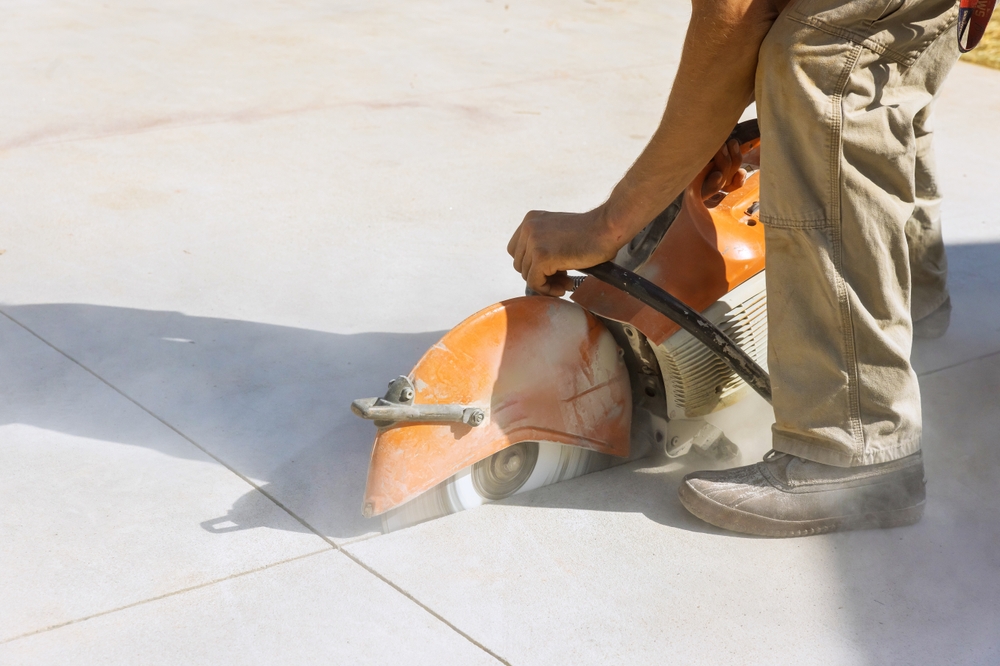
Cutting paving generates a significant amount of dust, and in our industry, silica dust is a serious health hazard. In 2026, safety regulations are stricter than ever, and for good reason. Whenever you are cutting dry, ensure you are wearing a high-grade respirator (FFP3) and eye protection.
Beyond personal safety, how you handle the tool affects the blade's life. Never force the saw. Let the weight of the machine do the work. If you find yourself leaning into the cut, you are likely overheating the blade, which leads to "undercutting" or, in extreme cases, segment loss. A steady, patient pace will always result in a straighter line and a safer workspace.
Investing in the right diamond blade is not about buying the most expensive item on the shelf; it is about matching the tool to the task. At KPT Timber, we have curated our paving tool range to ensure that whether you are laying a rustic sandstone path or a contemporary porcelain terrace, you have the precision you need.
If you are unsure which blade is the right fit for your specific slabs, pop into our yard or get in touch. We are always happy to talk through the technicalities to ensure your project goes off without a hitch.
Sources: https://www.pavingexpert.com/diamond_blades_01