Tanalised timber is one of the most widely used timber options for outdoor projects, from fencing and decking to garden structures, sleepers and general landscaping work.
It is popular because it offers improved protection against decay, fungal attack and insect damage compared with untreated timber. However, not all treated timber is suitable for every job.
If timber will be used outside, near the ground or in regular contact with moisture, it is important to choose the right type. This guide explains what tanalised timber is, how it works, what Use Classes mean, and how to choose the right treated timber for your project.
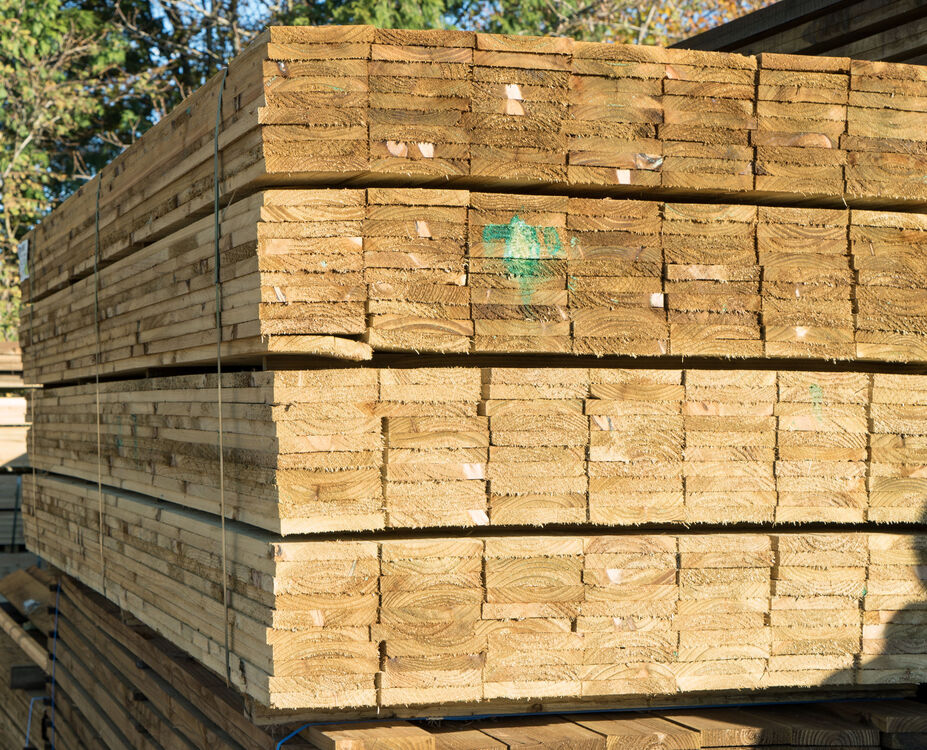
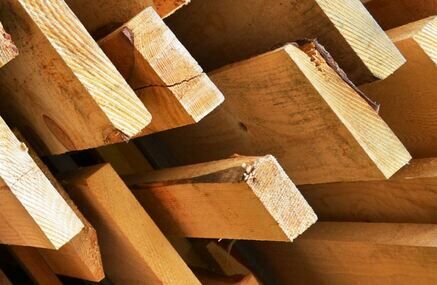
Tanalised timber is timber that has been pressure treated with a wood preservative. The treatment is forced into the timber under pressure to help protect it from rot, decay, fungal attack and wood-boring insects.
The word “tanalised” is often used generally to describe pressure-treated timber, although it originally relates to timber treated with Tanalith wood preservative.
At KPT Timber, our treated timber range includes a choice of sawn treated timber, kiln dried regularised carcassing, treated boards, fencing products, sleepers and outdoor timber products suitable for a wide range of building and landscaping jobs.
Shop the full range here: Treated Timber
In everyday use, the terms are often used in the same way. Pressure-treated timber is timber that has been treated under pressure with a preservative. Tanalised timber is a common name used for this type of timber.
The important thing is not just whether the timber has been treated, but whether it has been treated to the right level for where it will be used.
For example, timber used above ground in a decking frame has different exposure risks from a fence post set into soil. Both may be treated, but they may need different levels of preservative protection.
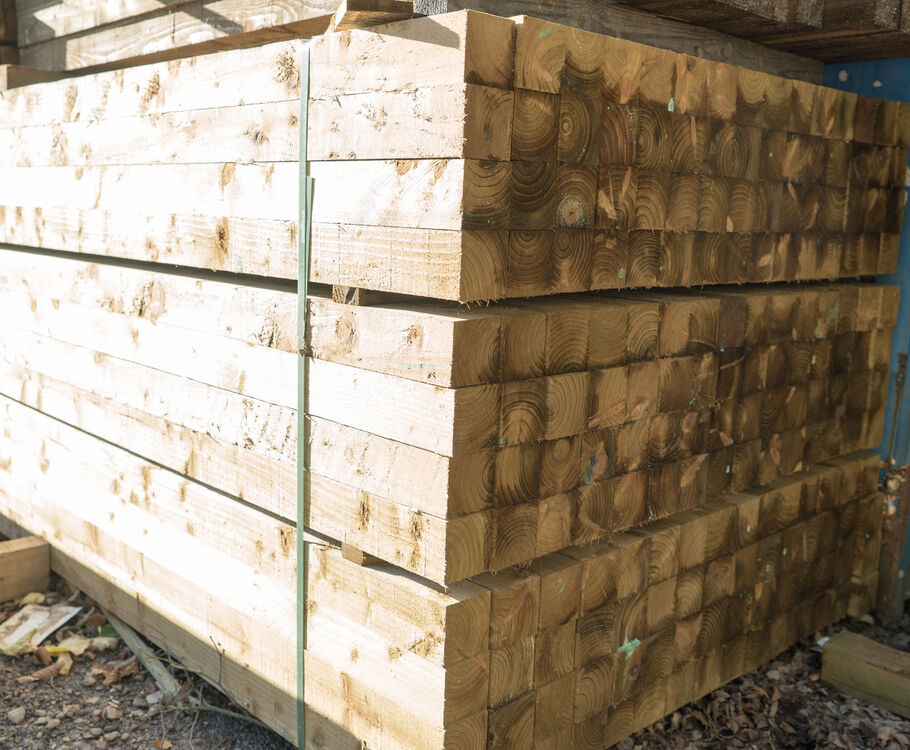
Tanalised timber is chosen for outdoor and construction work because it offers added protection and durability.
Key benefits include:
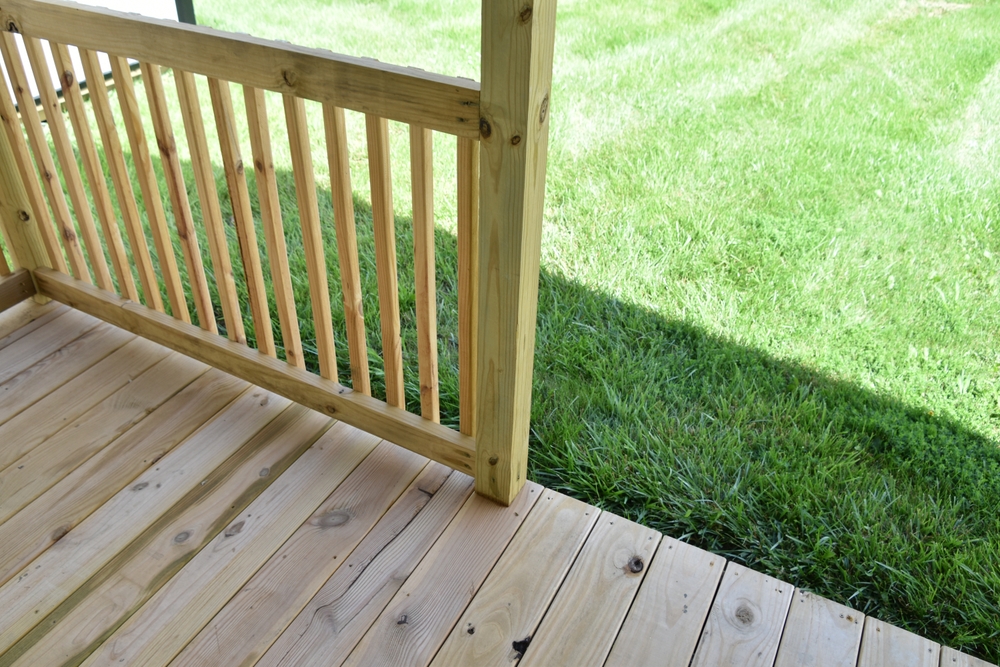
It is commonly used for fencing, decking, raised beds, garden structures, pergolas, joists, rails, battens and general outdoor timber projects.
Use Classes help define where treated timber can be used. They are based on the level of moisture exposure the timber is likely to face.
For most garden and outdoor projects, the two most relevant categories are Use Class 3 and Use Class 4.
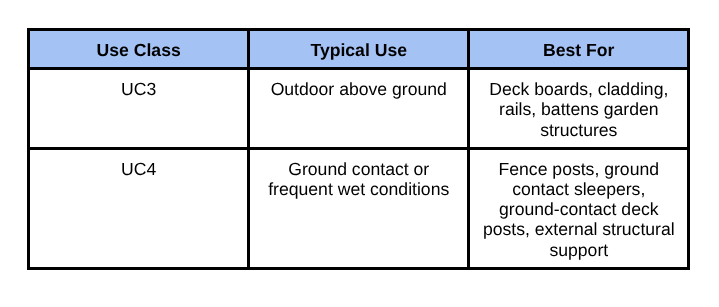
UC3 timber is used outdoors where the timber is exposed to the weather but not in direct contact with the ground.
UC4 timber is used where the timber is in contact with the ground, very close to the ground, regularly wet, or providing exterior structural support.
This distinction matters because treated timber can look very similar, even when the treatment level is different. Always check the product description or ask your supplier to confirm the Use Class before using treated timber in ground contact or structural outdoor applications.
No. Tanalised timber is not waterproof.
The treatment helps protect the timber against decay, fungal attack and insects, but timber can still absorb and release moisture. It can also move slightly as weather conditions change.
Good installation makes a big difference. Try to avoid trapping water around the timber, allow for airflow where possible, and make sure outdoor projects have suitable drainage.
For example, a decking frame should not be left sitting in standing water, and raised sleeper beds should be built with drainage in mind.
Tanalised timber can last for many years when the right product is chosen and installed correctly.
Its lifespan will depend on several factors, including:
A fence post in the ground faces a much tougher environment than a decking board above ground. This is why Use Class and correct installation are so important.
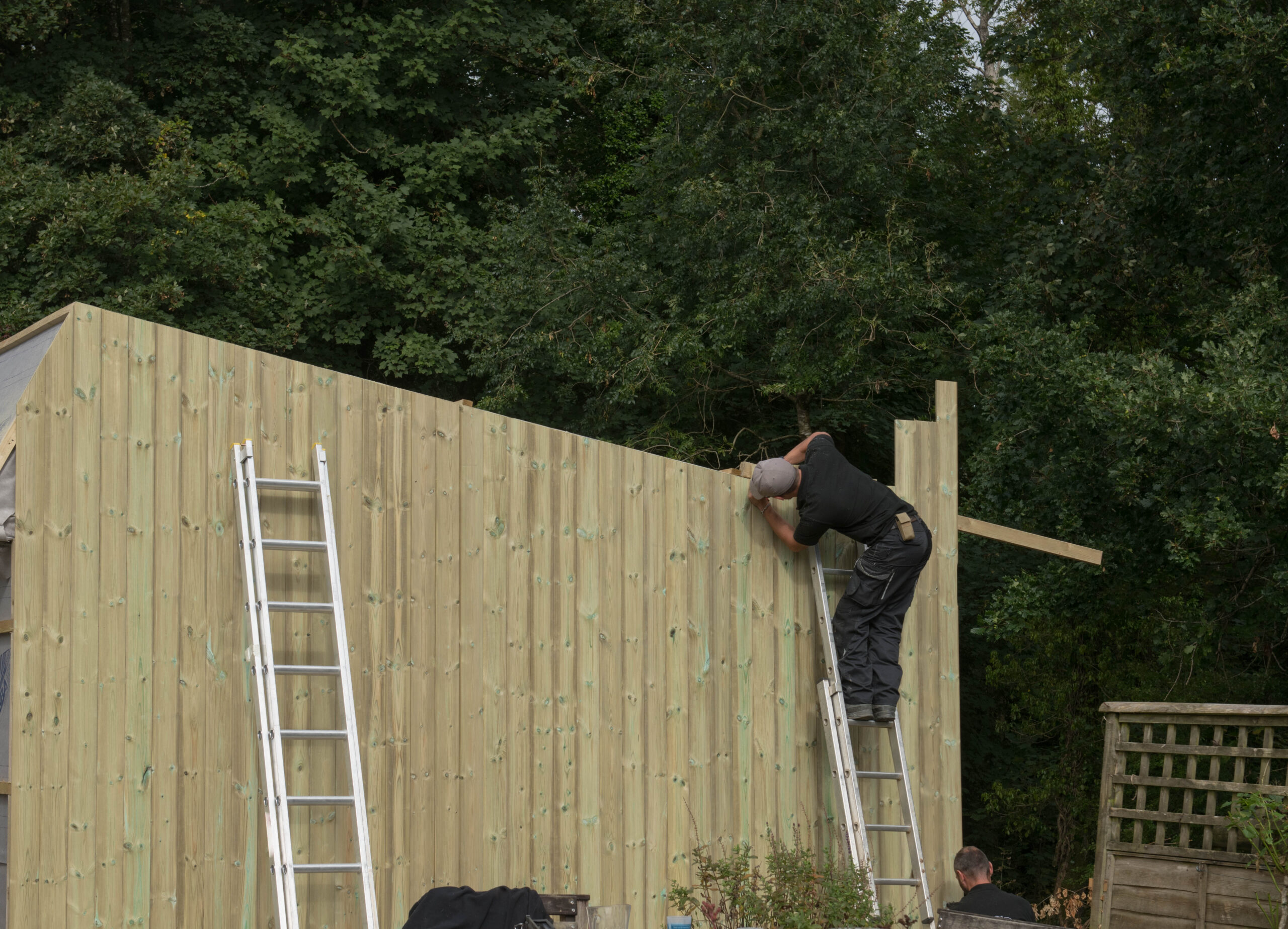
Tanalised timber is suitable for many construction, garden and landscaping projects.
Common uses include:
For general outdoor timber, see our Sawn Finish Treated Timber.
For structural and framing work, our Kiln Dried Regularised Carcassing C16 / C24 is a dependable option for a range of building and joinery applications.
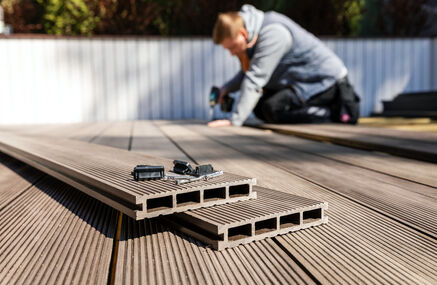
For decking projects, browse our Treated Redwood Decking Boards.
Yes, it is good practice to treat any cut, drilled or notched areas.
When treated timber is cut, the newly exposed surface may not have the same level of protection as the outer treated faces. Applying a suitable end-grain preservative helps protect these areas, especially on outdoor projects.
This is particularly important for fence posts, decking subframes, sleepers, rails and any timber that will be exposed to regular moisture. For UC4 timber used in ground contact, try to keep factory-treated ends in the ground rather than burying a cut end.
As a simple rule, cut first, treat exposed ends, then install.
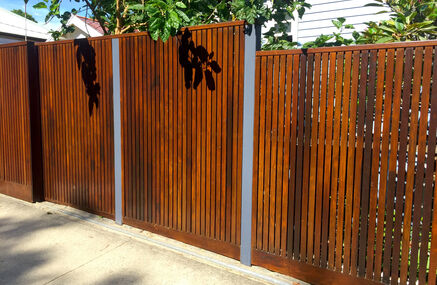
Fencing needs to stand up to wind, rain and long-term outdoor exposure. Posts are especially important because they usually sit in the ground and carry the strength of the fence.
For posts, choose timber that is suitable for ground contact. KPT’s Sawn Treated Fence / Gate Posts are Class 4 timber posts, suitable for a wide range of fencing and boundary projects.
For fence boards, rails and finishing touches, you may also need:
Gravel boards are especially useful because they help keep fence panels and boards away from direct ground contact.
For sleepers, ground contact is often unavoidable. That means the treatment level matters.
KPT’s Sawn Treated Sleepers are Class 4 timber sleepers suitable for ground contact applications. They can be used for raised beds, edging, steps and landscaping projects.
When building raised beds, it is also worth thinking about drainage. Avoid creating areas where water is trapped against the timber for long periods.
If you are growing edible crops and want extra separation between the soil and the timber, you can line the inside of the bed with a suitable membrane. Make sure any liner still allows for drainage.
Yes, tanalised timber can usually be painted, stained or oiled once it has dried sufficiently.
Freshly treated timber may contain moisture from the treatment process, so it is best to allow it to dry before applying a coating. Always follow the instructions on the paint, stain or treatment you are using.
A suitable exterior wood finish can help improve the appearance of the timber and provide added weather protection. It can also help reduce surface cracking and colour change over time.
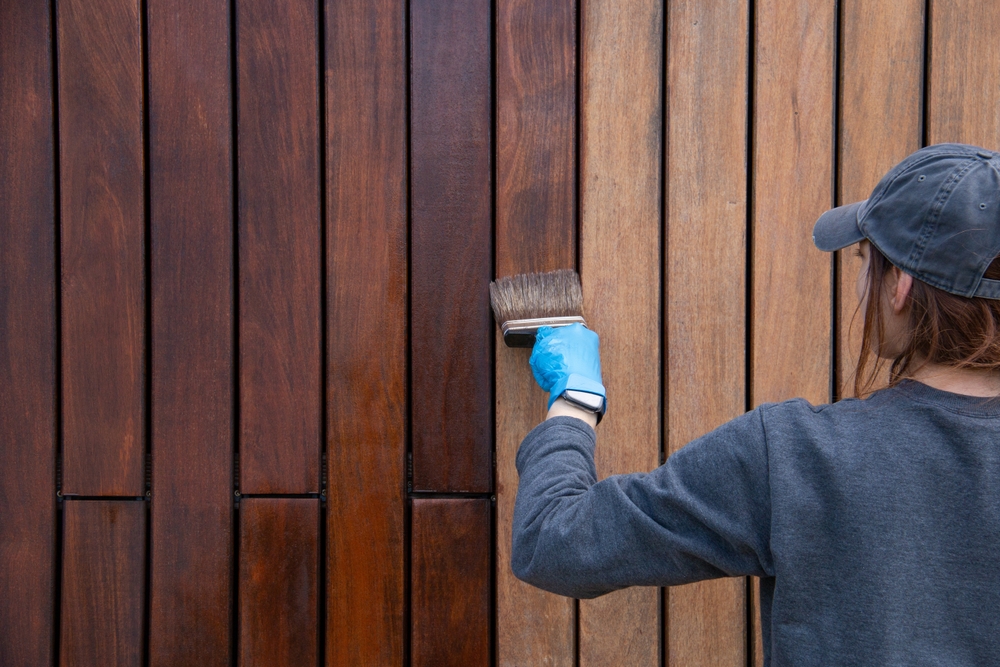
Tanalised timber is widely used for outdoor building, landscaping and fencing projects when handled correctly.
As with any timber, it is sensible to follow good working practice. Wear suitable gloves when handling rough timber, use eye protection when cutting, and avoid breathing in wood dust. A suitable dust mask is recommended when sawing or sanding.
After cutting or drilling treated timber, clean up sawdust and offcuts. Do not use treated timber sawdust as mulch, compost, animal bedding or litter.
Tanalised timber and other preservative-treated timber should not be burned in a stove, fireplace, fire pit or barbecue. Offcuts should be disposed of responsibly through the correct local waste route. If you have a large quantity of treated timber waste, check with your local authority or waste provider for guidance.
The simplest way to choose treated timber is to think about where it will be used.
Ask yourself:
For above-ground outdoor projects, treated boards, battens, rails and decking components may be suitable. For ground contact, fence posts, sleepers and other exposed structural timbers should be chosen with the correct treatment level in mind.
If you are not sure, our team can help you choose the right option for your project.
At KPT Timber, we supply quality treated timber for trade and DIY customers across Devon, Cornwall and the South West.
Our range includes treated sawn timber, regularised carcassing, fence posts, decking boards, feather edge boards, gravel boards, sleepers and outdoor timber products.
Browse our full range of Treated Timber online or contact the KPT Timber team for practical advice before you order.
Sources:
https://www.wheeliebinstoragedirect.co.uk/tanalised-timber-faqs/ https://www.tanalisedtimber.co.uk/Using-Tanalised-Timber/FAQs
https://www.thewpa.org.uk/resources-for-treated-wood?