As the weather turns colder and wetter, your patio can quickly start to show the effects of autumn and winter. Fallen leaves, standing water, algae, frost and damaged joints can all make paving look tired, while also creating slippery surfaces or allowing small problems to become more serious.
A little seasonal maintenance can make a big difference. By keeping your patio clean, checking for damage and dealing with problem areas early, you can help protect your paving throughout the colder months and keep it looking its best ready for spring.
Here are our top tips for maintaining your patio during autumn and winter.
Fallen leaves might look harmless, but leaving them sitting on your patio for long periods can trap moisture against the surface.
Wet leaves can also stain some paving materials and create slippery areas underfoot, particularly when combined with moss or algae.
Regularly sweep away:
Pay particular attention to corners, patio edges and areas underneath garden furniture where moisture and organic matter can build up unnoticed.
If possible, move lightweight furniture, planters and other items occasionally so you can clean underneath them too.

Early autumn is a good time to give your patio a deeper clean before temperatures begin to drop.
Start with a stiff brush and warm water to loosen surface dirt. For more stubborn marks, use a paving cleaner that is suitable for your particular paving material.
Always check the manufacturer's instructions before applying any cleaning product, particularly if you have natural stone.
Testing the cleaner on a small, inconspicuous area first is also a sensible precaution.
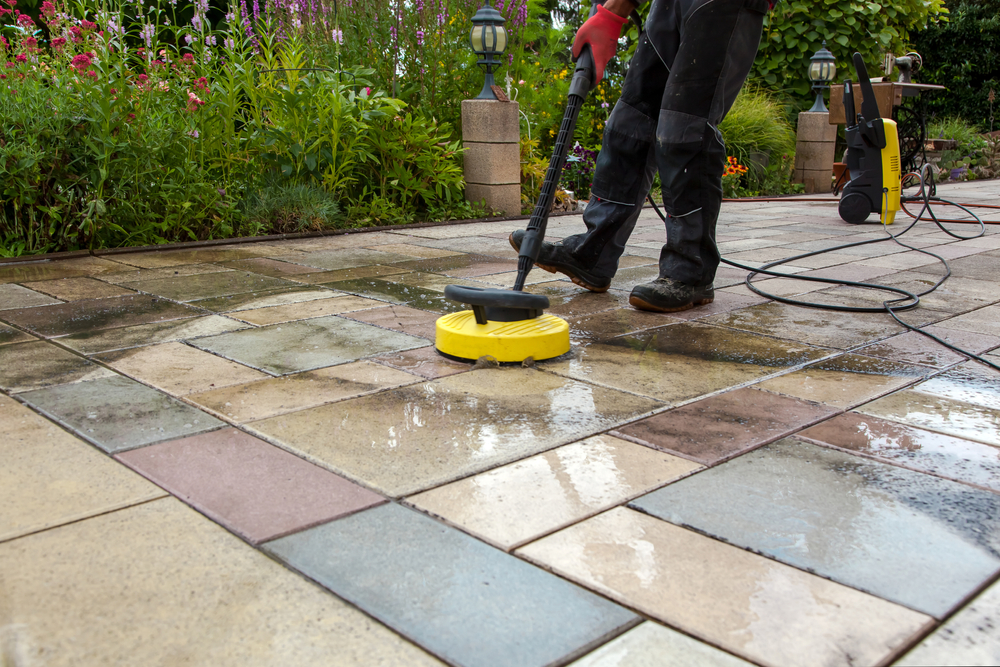
A pressure washer can make patio cleaning much quicker, but it should be used carefully.
Avoid holding the nozzle too close to the paving or directing a powerful jet straight into the joints. Excessive pressure can remove jointing material and, depending on the paving type, may damage the surface.
Natural stone generally requires a gentler approach than harder paving materials.
If you are unsure, check the paving manufacturer's cleaning guidance before using a pressure washer.
Damp autumn and winter conditions are ideal for moss and algae growth.
Not only can this affect the appearance of your patio, but it can also make paving slippery when wet.
Brush away loose growth regularly and use a suitable patio cleaner or algae remover where necessary.
Weeds should also be removed before they become established in patio joints. Smaller weeds can often be pulled out by hand, making sure as much of the root as possible is removed.
If you decide to use weedkiller, choose a product that is approved for use on hard surfaces and always follow the manufacturer's instructions carefully.

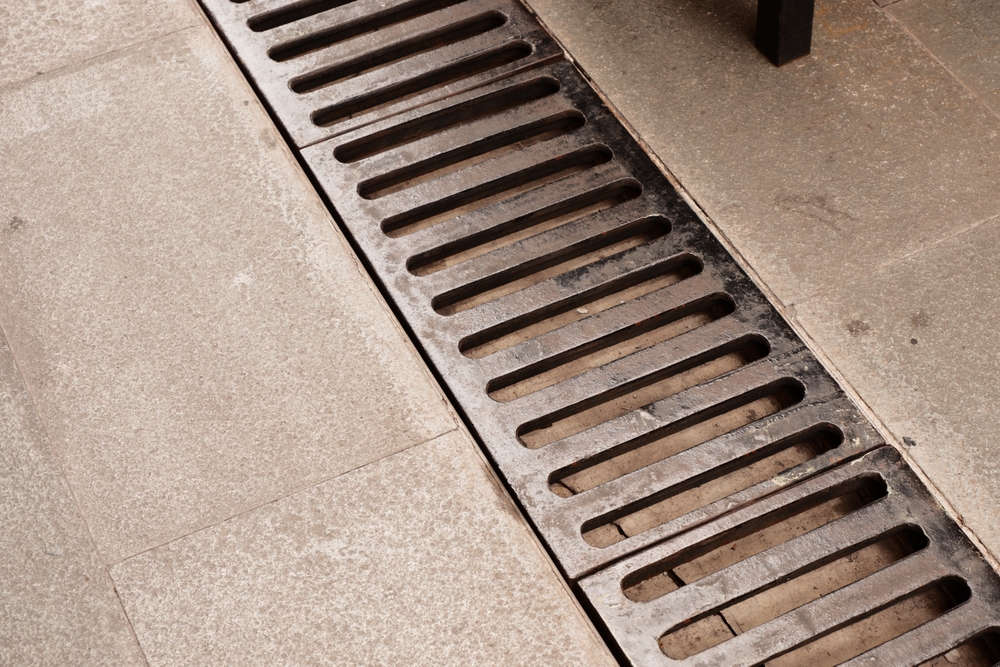
Good drainage becomes particularly important during the wetter months. Take a look at your patio after heavy rainfall. Water should drain away rather than sitting in large puddles for long periods.
Clear leaves and debris from:
Standing water can encourage algae growth and, when temperatures fall below freezing, water trapped in vulnerable areas can contribute to frost damage. If a particular area regularly collects water, it may be worth investigating the cause rather than simply sweeping the water away each time.
Autumn is also a useful time to give your patio a quick visual inspection.
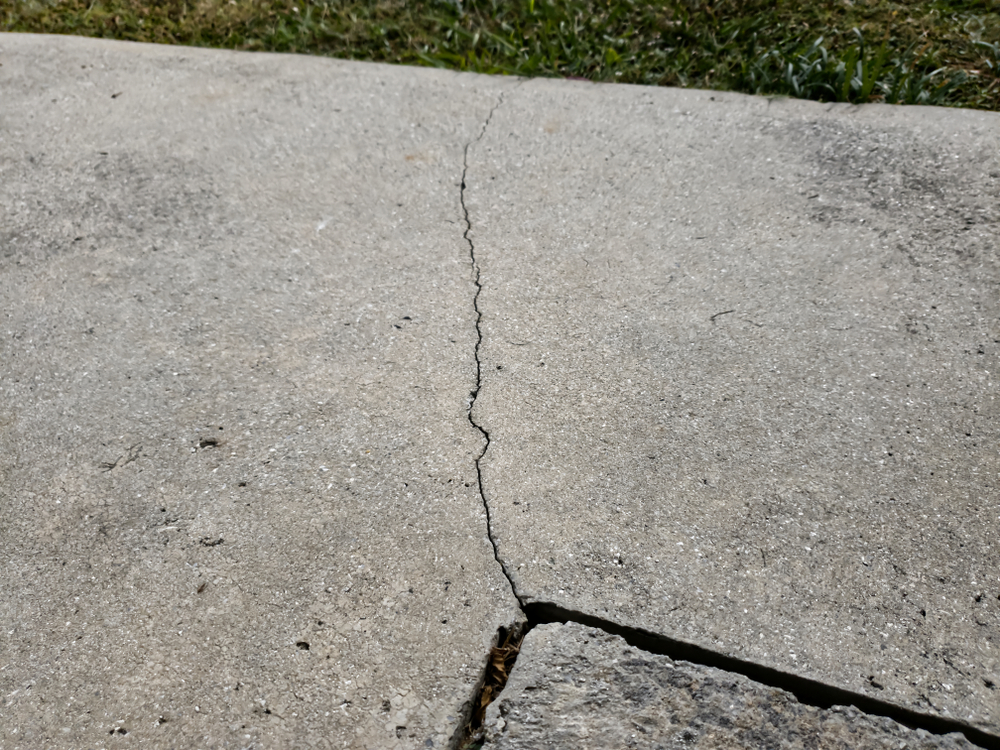
Look for:
Small defects are usually easier to deal with before winter weather makes them worse.
Water can find its way into cracks and gaps before freezing and expanding as temperatures fall, potentially making existing damage more noticeable.
If a slab has become loose or significantly damaged, it is best to deal with the underlying problem rather than simply covering the visible crack.
The joints between your paving are easy to overlook, but they play an important role in keeping the finished patio secure and looking tidy.
Over time, old jointing material can crack, loosen or wash away. This may leave gaps where weeds can grow and water can collect. Before winter, inspect the joints across your patio and repair any areas where the jointing material is missing or badly damaged.
For suitable paving projects, a modern patio jointing compound can provide a convenient way to refill joints and restore the finished appearance of your patio.
At KPT Timber, our jointing compound range includes options suitable for paving materials including natural stone, concrete and porcelain.
Before applying any jointing compound, always check that the product is compatible with your paving and follow the installation instructions carefully.

Not every patio should be cleaned and maintained in exactly the same way. Understanding your paving material can help you avoid unnecessary damage.
Natural stone can be more sensitive to strong chemicals and aggressive cleaning methods.
Use cleaning products that are suitable for natural stone and avoid highly acidic cleaners unless the paving manufacturer specifically confirms they are safe to use.
Take extra care when pressure washing and pay close attention to joints, cracks and surface staining.
If your patio has been sealed previously, check whether the sealer is still performing effectively before applying another coat.
Porcelain paving absorbs very little moisture and is generally straightforward to maintain. Regular sweeping and occasional washing will usually remove everyday dirt and debris. However, algae and grime can still build up on the surface, particularly in shaded areas. ProJoint Porcelain Cleaner has been designed especially for use with porcelain paving.
When pressure washing porcelain paving, avoid directing the jet directly into the joints, as this may loosen or remove jointing material. If the joints need repairing, choose a jointing product that is suitable for porcelain paving.
Concrete paving should also be cleaned regularly to prevent dirt and organic growth from becoming established.
Avoid overly aggressive pressure washing, particularly on older paving, as repeated high-pressure cleaning can gradually affect the surface finish.
If you are using a cleaner or sealer, check that it is suitable for the particular type of concrete paving you have installed.
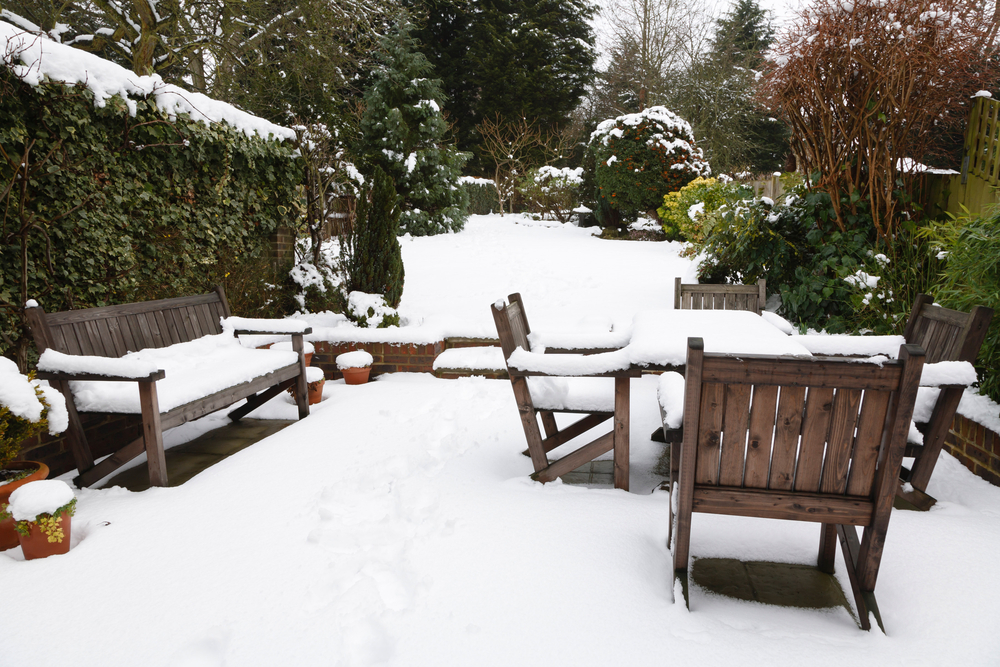
Cold weather brings a different set of challenges. Where possible, clear snow from your patio before it becomes compacted and turns to ice. Use a plastic snow shovel or soft-edged tool rather than something that could chip or scratch the paving.
If ice forms, avoid automatically reaching for household salt or de-icing products. Different paving materials respond differently to de-icers, so check the paving manufacturer's recommendations before applying them.
The safest option may depend on whether your patio is made from natural stone, concrete or porcelain.
Some paving can benefit from sealing, but it is not necessary or suitable for every patio.
A suitable paving sealer can help reduce staining and make future cleaning easier, but the paving should normally be thoroughly clean and dry before the product is applied. Autumn weather can make sealing more difficult because damp surfaces, low temperatures and rain can interfere with application.
If you are planning to seal your patio before winter, choose a dry weather window and carefully follow the product manufacturer's temperature and application guidance. Natural stone may also require a specialist sealer designed for that particular type of stone.
Before winter arrives, take a few minutes to check the following:
It is also worth carrying out another quick check after periods of severe frost, storms or particularly heavy rain.
Maintaining your patio during autumn and winter does not need to involve hours of work.
Regular sweeping, sensible cleaning and occasional inspections can help prevent common problems such as staining, algae growth, damaged joints and standing water.
The key is to deal with smaller issues before they develop into bigger repairs.
If you notice that the joints in your paving have started to deteriorate, explore our range of jointing compounds for products suitable for a variety of paving projects.
With a little preparation before winter and some simple maintenance throughout the colder months, your patio will be in a much better position to look its best when spring returns.
Sources:
https://www.bradfords.co.uk/blog/patio-cleaning-and-maintenance
https://www.westminsterstone.com/inspiration/how-to-maintain-your-patio-during-autumn-winter/
https://contemporarypavingonline.co.uk/top-tips-preparing-patio-winter/