Timber sizes can be confusing, particularly when familiar descriptions such as "4 x 2" don't seem to match the measurements of the timber in front of you. Add terms such as sawn, planed and regularised, and it's easy to see why choosing the right size isn't always as straightforward as it sounds.
At KPT Timber, we supply timber to both trade customers and the public, and the simplest advice is always to check the stated dimensions of the product you're buying. Here, we answer some of the most common questions about UK timber sizes, why dimensions can differ and what to look for before you order.
You may see timber referred to using a nominal, traditional or commonly recognised size, while the timber itself is sold to stated metric dimensions.
A good example is the familiar term "4 x 2 timber". Although this is still widely understood as a way of referring to a timber section, you shouldn't assume that a finished or machined piece will measure exactly four inches by two inches.
For UK buyers, the important measurements are the dimensions given for the actual product.
This is particularly important when timber needs to fit an existing space or you're replacing an existing component. Rather than relying on a familiar timber name, check the stated width, thickness and length before ordering.
Structural timber goes through several stages before it reaches the merchant.
Timber for most construction applications is dried after being cut from the log. Structural timber is often sawn slightly oversize to allow for the reduction in dimensions that occurs as moisture is lost during drying.
Timber can then be planed or machined further to achieve a more consistent finished section.
This is why there isn't a simple rule such as "take 5mm off every nominal timber size". The finished dimensions depend on the product and how it has been processed.
For structural timber, BS EN 336 sets permitted dimensional tolerances. It distinguishes between sawn timber and timber that has been further planed or machined, with tighter tolerances applying to the latter.
The practical takeaway is simple: if the finished size matters, use the dimensions stated for the product rather than trying to work them out from an informal or traditional size description.
Regularised timber has been machined to give it a more consistent section and smoother finish than rough-sawn timber.
For structural softwood, machined timber typically has more consistent and accurate dimensions than sawn timber and is often supplied with eased edges to make handling and installation easier.
You can see this distinction in our own range.
At KPT Timber, our Kiln Dried Regularised Carcassing C16/C24 is planed all round for consistent sizing and has eased edges. We stock it in a range of metric sections, including options such as 50 x 47mm, 100 x 47mm and 150 x 47mm.
We also stock Sawn Finish Treated Timber, which is supplied with a sawn finish and comes in its own range of stated sizes.
That makes "sawn" and "regularised" useful things to look for when comparing products. They tell you something about how the timber has been finished, not simply what it can be used for.
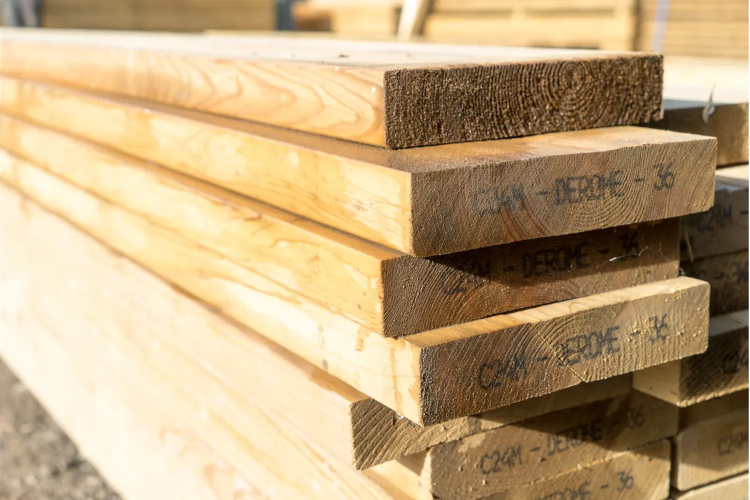
Timber is a natural material, so it isn't sensible to treat it in exactly the same way as a manufactured metal or plastic component.
For structural timber, recognised dimensional tolerances allow for a defined amount of variation around the target size.
Under BS EN 336, two dimensional tolerance classes are specified for structural timber. Tolerance Class 1 applies to sawn timber, while Tolerance Class 2 applies to timber that has been further planed or machined and allows tighter permitted deviations.
Moisture content can also affect timber dimensions, as wood can gain or lose moisture in response to its surroundings.
For most jobs, this means you should choose timber based on the correct product specification and stated dimensions, while recognising that timber is a natural material and permitted dimensional tolerances can apply.
If an exact finished dimension is particularly important, check the product details before ordering and speak to us if you're unsure.
When shopping for timber, you will normally need to look at two things: the section size and the length.
The section describes the width and thickness of the timber. The length tells you how long each individual piece is.
For example, KPT's kiln-dried regularised carcassing is currently offered in a range of metric section sizes and lengths from 2.4m upwards, with the exact options depending on the product selected.
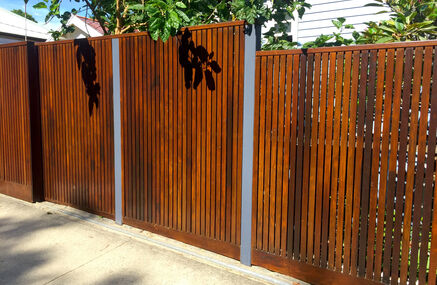
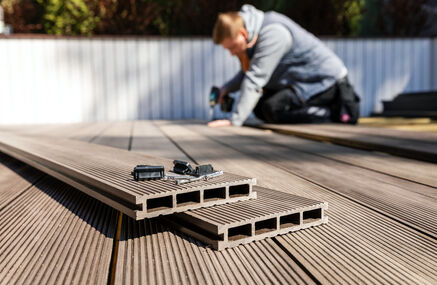
Other products have different options. Our sawn treated timber, fencing timber, decking boards and battens are all supplied according to their own product specifications.
When planning a job, don't assume that a particular section will automatically be available in every length. Check the product page first, then plan your cuts around the lengths available.
Start with the job rather than the familiar name of the timber.
Before ordering, check:
If you're replacing existing timber, measure the actual piece or opening rather than assuming that an old description such as "4 x 2" gives you the dimensions you need.
For structural work, the correct section and strength grade should follow the specification for the project. If you're unsure what is required for a load-bearing application, seek appropriate professional advice rather than simply choosing a piece that looks large enough.
It also pays to make a cutting list before placing your order. Working out how many finished pieces you can get from each stock length can reduce unnecessary waste and help prevent the frustrating discovery that you're one length short halfway through the job.
The main thing to remember is that a familiar timber description doesn't always tell you the finished dimensions of the product you're buying.
Check the stated metric dimensions, understand whether the product is sawn or regularised, and choose the specification that's right for the intended job. If you're working from an existing piece of timber, measure it rather than relying on what you think its original size was.
At KPT Timber, we stock timber for building, landscaping, fencing and DIY projects, including treated timber, kiln-dried regularised carcassing, battens, decking, fencing timber and more.
Browse our timber range online, or speak to the KPT Timber team if you need help finding the most suitable product for your project.
Sources: https://timberdevelopment.uk/
https://knowledge.bsigroup.com/products/structural-timber-sizes-permitted-deviations-1