Transforming your outdoor space is one of the most rewarding home improvement projects you can take on. Whether you’re creating a space to entertain, relax, or simply improve your garden’s overall look, careful planning is key to getting the best results.
With so many materials available, from timber and paving to decorative aggregates, it can be difficult to know where to start. In this guide, we’ll walk you through everything you need to consider when planning your garden landscaping project, helping you choose the right materials for a space that’s both practical and visually appealing.
Before choosing materials, it’s important to think about how you want to use your garden. A well-planned layout will not only improve how the space looks, but also how it functions day to day.
Start by considering practical factors such as the size and shape of your garden, existing features you may want to keep, and how sunlight moves across the space. For example, positioning a seating area where it catches the afternoon sun can make a big difference to how often you use it.
It’s also helpful to think about how people will move through the garden. Creating clear pathways and defined zones can make even smaller spaces feel more organised and spacious.
Consider dividing your space into functional areas, such as:
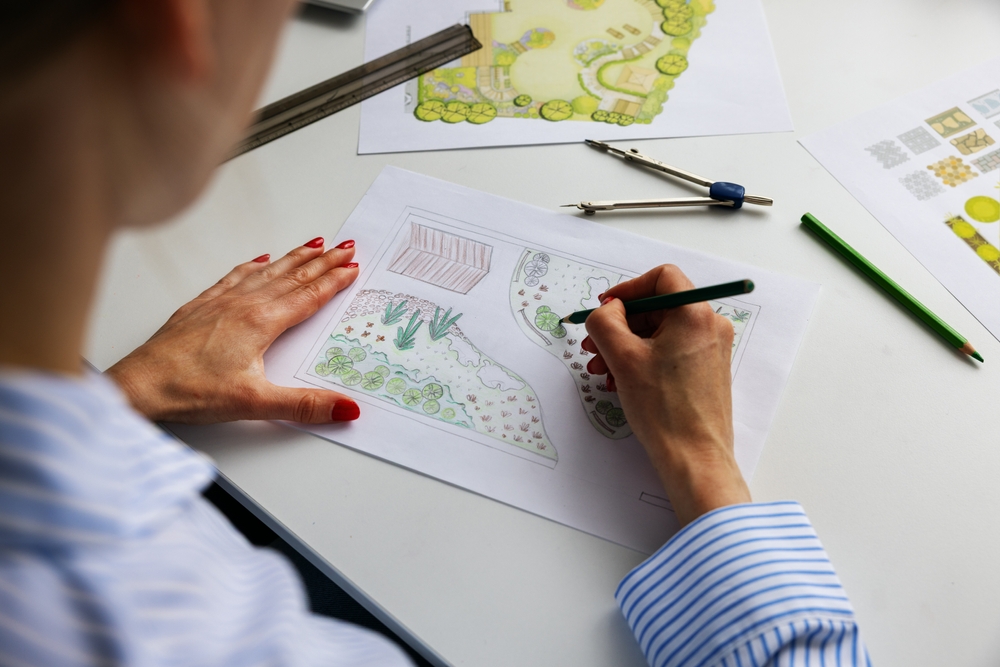
Sketching a simple layout can help you visualise how everything will come together. Many modern gardens combine different materials to create contrast and define zones, for example, timber decking alongside porcelain paving or gravel pathways.
Selecting the right materials is crucial for both the appearance and longevity of your garden. Here’s a breakdown of the key options.
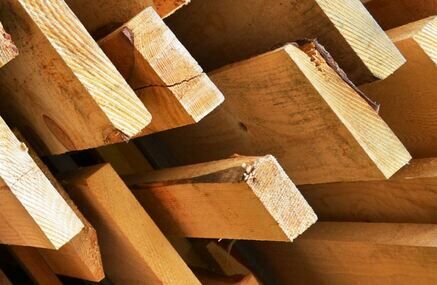
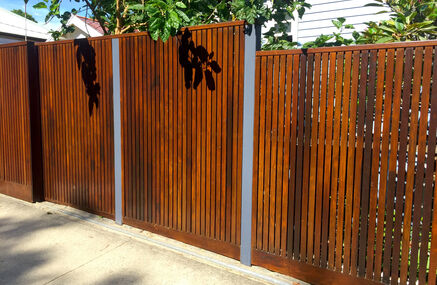
Timber remains one of the most popular choices for garden projects thanks to its natural look and flexibility.
Common uses include:
When choosing timber, it’s important to consider:
Timber works particularly well when paired with stone or porcelain paving to soften harder surfaces.
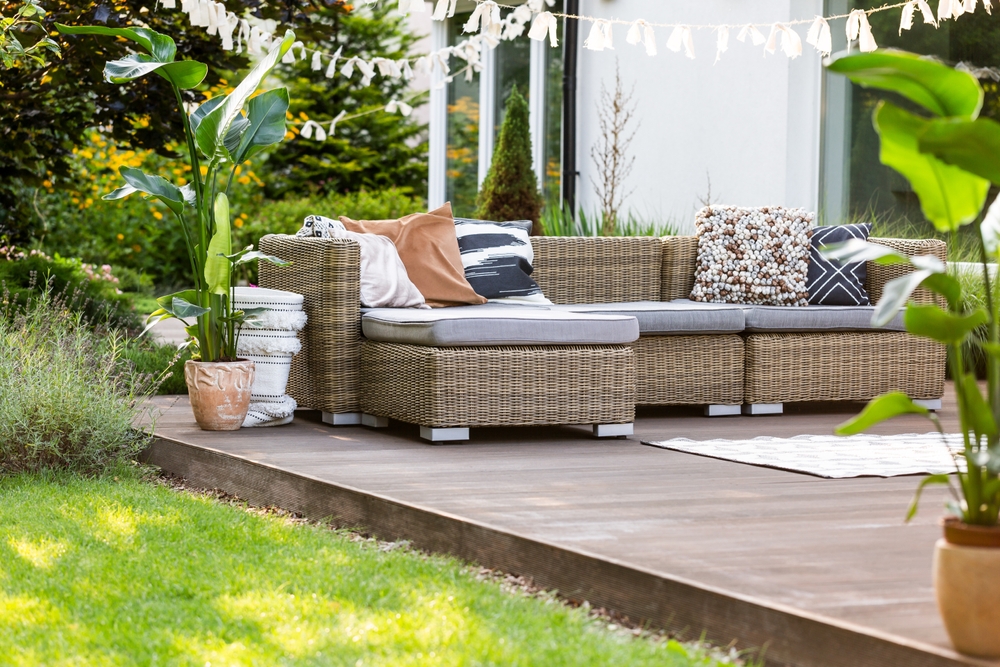
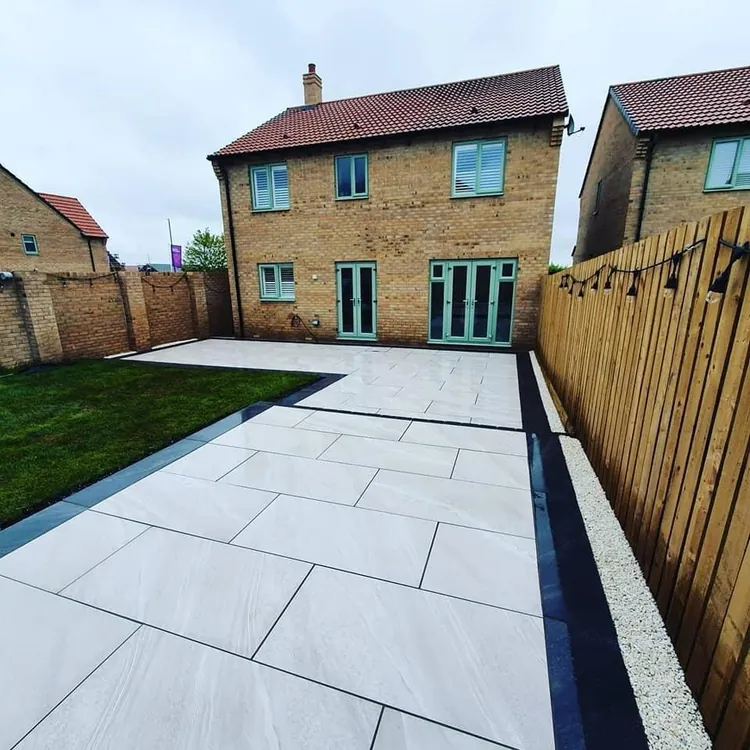
Paving is ideal for patios, paths, and high-traffic areas, offering both durability and design flexibility.
Popular options include:
When selecting paving, think about:
Lighter colours can make smaller spaces feel bigger, while darker tones create a more contemporary finish.
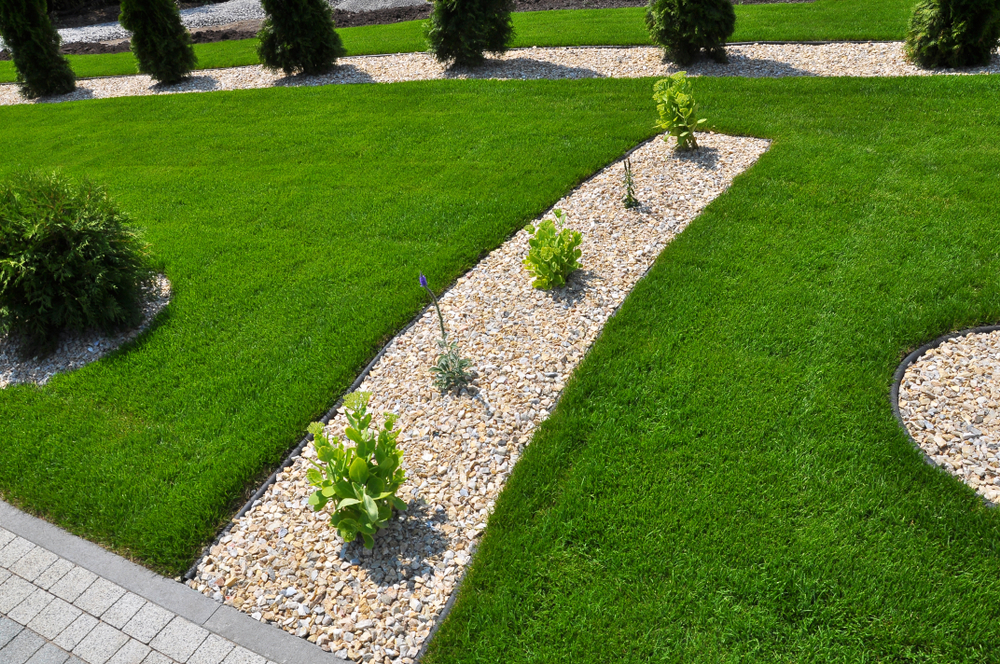
Aggregates are often overlooked but play an essential role in both structure and aesthetics.
They can be used for:
Types of aggregates include:
Using the correct aggregate ensures your project is built to last, preventing issues such as sinking or poor drainage.
If you’re looking for inspiration, these features are popular across UK gardens and can be adapted to suit different spaces and budgets.
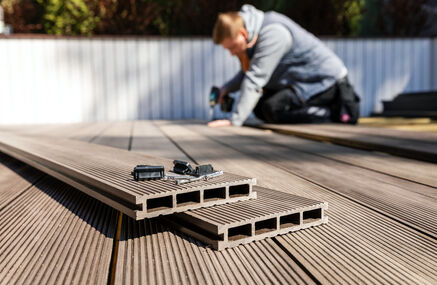
Perfect for entertaining or relaxing, decking creates a warm and inviting space. It’s especially useful for uneven gardens or where you want to create levels.
Timber sleepers are ideal for defining planting areas, adding structure and depth to your garden. For more advice about building raised beds using sleepers, take a look at our blog post here.
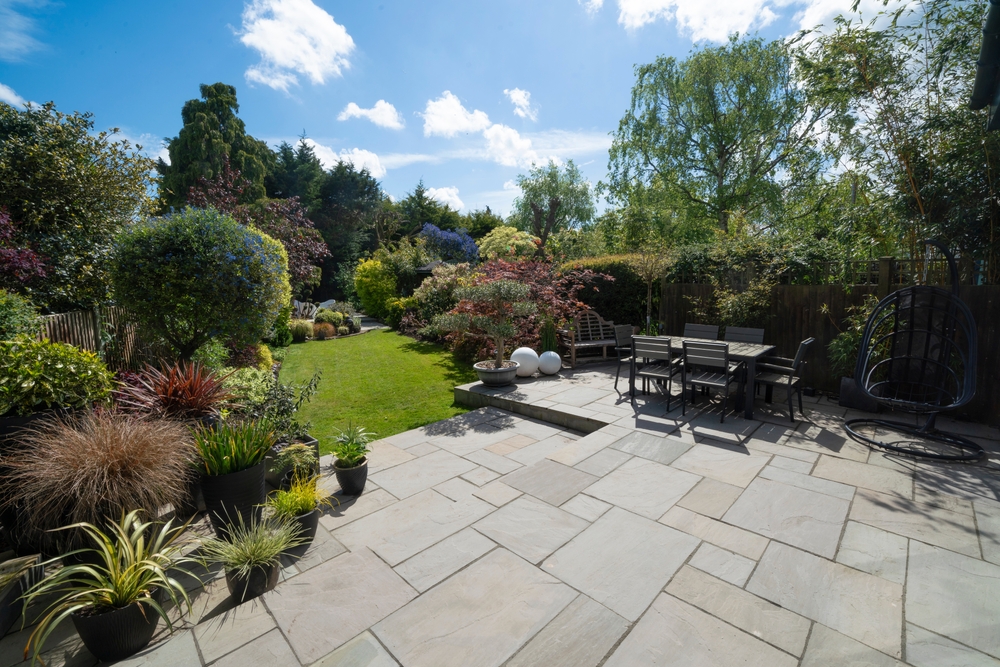
A well-designed patio forms the heart of many gardens, providing a durable and attractive space for outdoor living. Take a look at our guide: How To Choose The Right Patio & Paving For Your Garden further ideas.
Edging helps keep your garden neat and organised. Timber, stone, or gravel can all be used to create clean lines between different areas.
Landscaping projects can be tailored to suit a wide range of budgets.
Mixing materials is a great way to balance cost and style. For example, combining a porcelain patio with gravel borders or timber features can create a high-end look without overspending.
It’s also worth considering where to invest and where you can save. High-traffic areas such as patios and pathways often benefit from more durable, premium materials, while decorative or less-used areas can be completed with more cost-effective options. Taking this approach allows you to achieve a professional finish while keeping your overall project within budget.
Planning ahead can help you avoid costly issues later on.
Some of the most common mistakes include:
Taking the time to get the foundations right will ensure your garden stands the test of time.
Choosing the right combination of timber, paving, and aggregates can transform your outdoor space into something both practical and beautiful.
At KPT Timber, we supply a wide range of high-quality materials to help bring your garden plans to life. Whether you’re building decking, laying a patio, or creating raised beds, our team is here to help you choose the right products for your project.
Browse our range online or get in touch for expert advice on your next landscaping project.