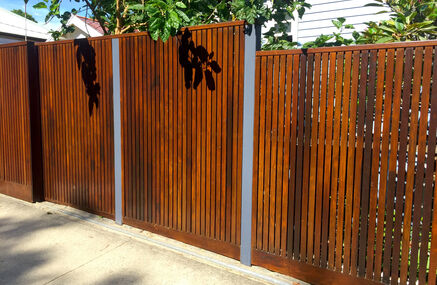

Autumn in the South West brings gusty winds and persistent rain. A little prep now prevents wobbly posts, rattling panels and rotten edges once winter bites. This practical checklist shows you how to spot weak points and upgrade the right parts, with links to products you can pick up from KPT.
Walk the fence line after rainfall. Rock each post gently and look for movement or gaps at the base. Any softness at ground level suggests rot or poor backfill. Replace with Class 4 treated posts or upgrade problem runs to a DuraPost steel system for extra strength.
Re-screw loose rails and replace any split boards. Keep screw lines consistent so boards sit tight under load. If several boards are failing, it is often faster to renew the whole run with treated feather edge boards.
Pro tip: swap rusty or undersized fixings for galvanised or stainless steel screws and bolts. They resist corrosion and hold far better through a wet winter.
Where panels take the brunt of the wind, add a horizontal rail or a discreet diagonal brace across the back to spread pressure and reduce flex. This simple tweak can transform a rattly bay into a calm one in high gusts.
Gravel boards keep timber off of the wet ground, reduce splashback and help keep bays square.
All three extend fence life when winter waterlogging is likely.

Rapid-set cement mixes can help you to fix isolated posts between showers. Brace and plumb the post, add water, then the mix, and allow to cure as per the instructions. For longer runs or very wet holes, a standard concrete mix can be better.
Top tip: Avoid quick-set mixes when temperatures are forecast below 5°C.
The end grain of timber drinks water, especially when not treated. Fit rebated timber capping rails over closeboard fencing or use DuraPost aluminium capping to match DuraPost posts and gravel boards. Both are designed to repel water and offer a complete and tidy finish.
In Addition: post caps also help reduce water entry into the top of posts and add a neat finish.
Don’t forget the garden gate. A sagging or under-spec hinge can twist under a high wind load and loosen the hinge post. If your gate hardware is light-duty or looking a little worse for wear, consider heavier, adjustable hinges and ensure a solid drop bolt and latch.

A few minutes outside of the fence line reduces the chance of impact damage, here are a few quick checks that could make a difference:
It is worth noting that many home insurance policies exclude fences and sheds from storm cover. Keeping your fence maintained and documenting its condition with photos helps if you ever need to make a claim.
Keep an eye on Met Office storm warnings during the season so you can do a quick pre-storm check of fixings and gates to prevent any serious damage that could occur.
Once the wind has blown through, do a fast lap of the fence. Re-tighten any fixings, clear trapped debris at the bottom edge, and look for lifted capping or fresh splits. Touch in any cut ends you made during repairs with end-grain protection, and note any parts to replace while stock is available. A couple of quick photos create a handy record if you need to compare movement later. If you spot issues, grab the replacement boards, gravel boards, caps or post mix from KPT and get it fixed before the next front arrives.
With over 35 years’ experience, we provide quality timber and building supplies across Devon and Cornwall and we are always happy to discuss your project and offer advice. Don’t hesitate to get in touch.
Sources: https://www.colourfence.co.uk/blog/wind-proof-fencing-how-to-protect-your-home-this-winter/2016/09/
https://www.dciron.co.uk/blogs/news/storm-proof-your-fence-autumn-winter-prep-guide