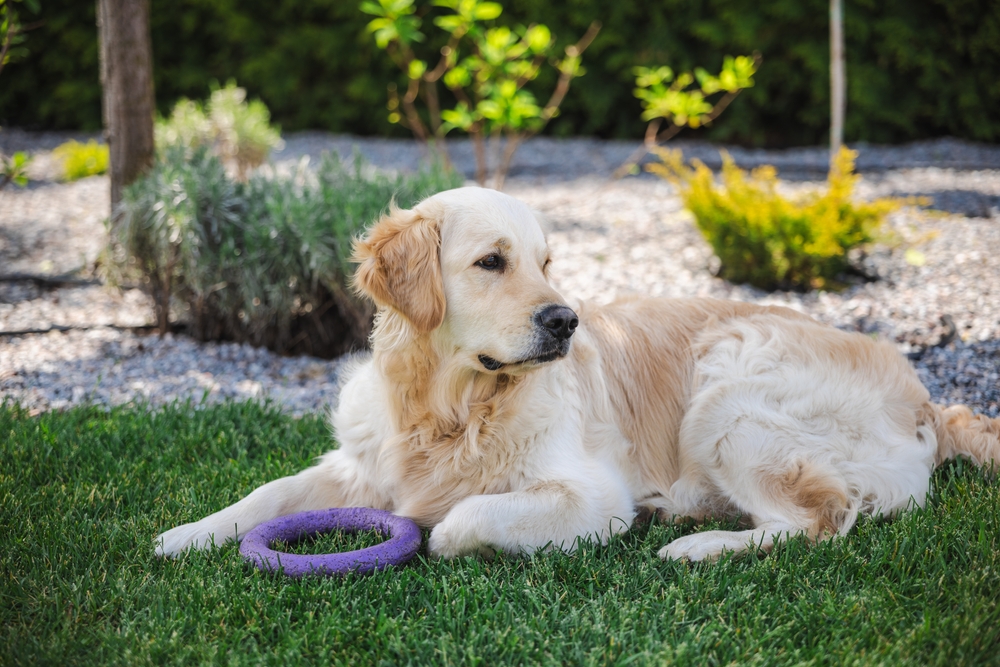
Every pet owner knows the January struggle. You look out at the garden and see a saturated, muddy mess, only to look down and see four paws ready to bring that mud directly onto your clean carpets. It is the time of year when the battle between a beautiful landscape and a happy pet feels most difficult.
At KPT Timber, we believe you should not have to choose between a stylish outdoor space and your pet’s well-being. The 2026 Bark-itecture trend is all about moving away from basic pet-proofing and moving toward intentional, high-end design that works for every member of the family.
By planning your groundwork now, you can transform your garden into a durable, enrichment-filled sanctuary before the spring rush begins.
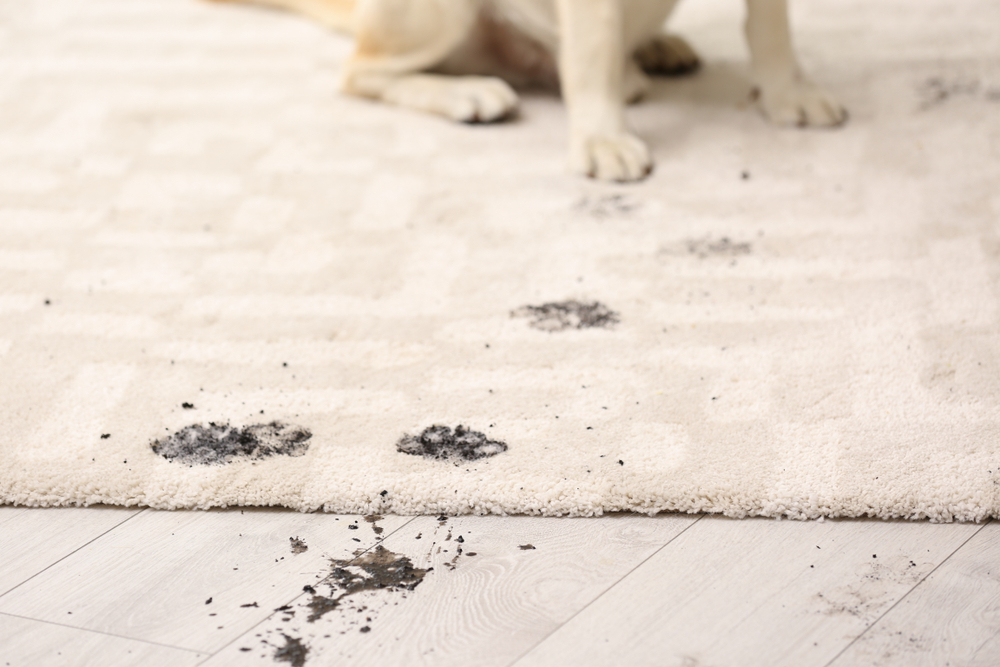
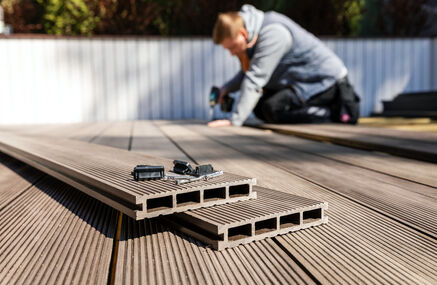
The biggest pain point for UK homeowners in winter is the transition from a wet lawn to the back door. Bark-itecture solves this by creating dedicated transit zones using non-porous materials.
Instead of letting your dog run straight onto a waterlogged lawn, consider installing a professional sub-base for a patio or path. Using a high-quality 20mm Ballast ensures excellent drainage, preventing the standing water that leads to mud.
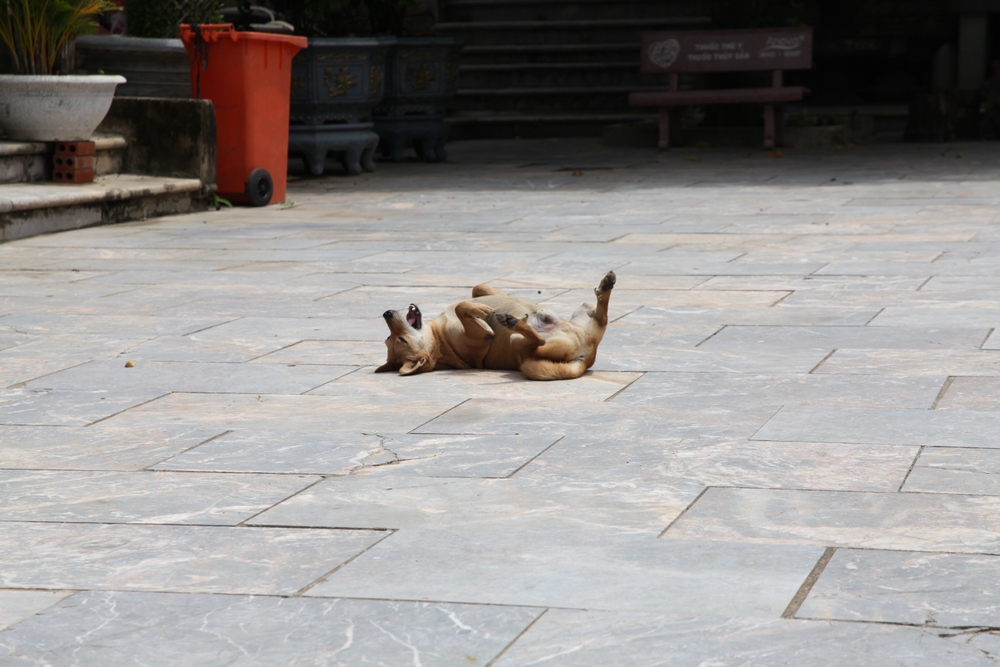
Hard landscaping is a game-changer for maintaining a tidy home and a happy dog. By incorporating paved pathways, you create a dedicated track for high-energy "zoomies" that would otherwise destroy your lawn and flowerbeds.
When selecting your surface, safety and temperature control are key. While darker stones can absorb intense heat during the summer and potentially irritate sensitive paw pads, Porcelain Paving is an excellent modern alternative.
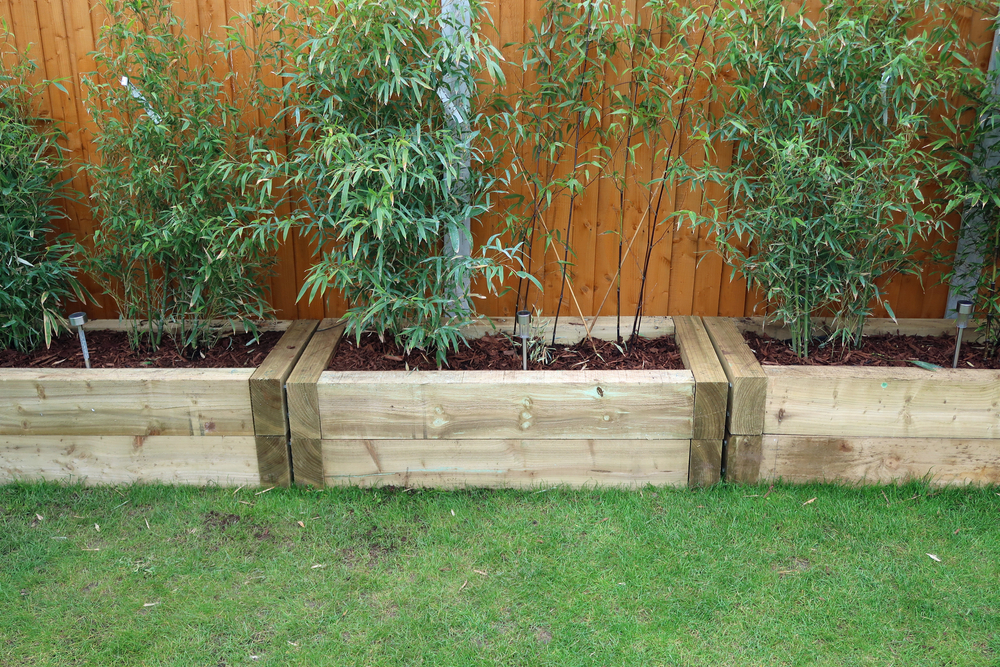
Traditional flower beds are often the first casualty of a high-energy dog. One of the most effective ways to separate your prize-winning shrubs from your pet’s favorite running track is through elevation.
Using Sawn Treated Sleepers to create raised beds provides a clear physical boundary. Most dogs will naturally follow the path around a raised structure rather than jumping directly into it.
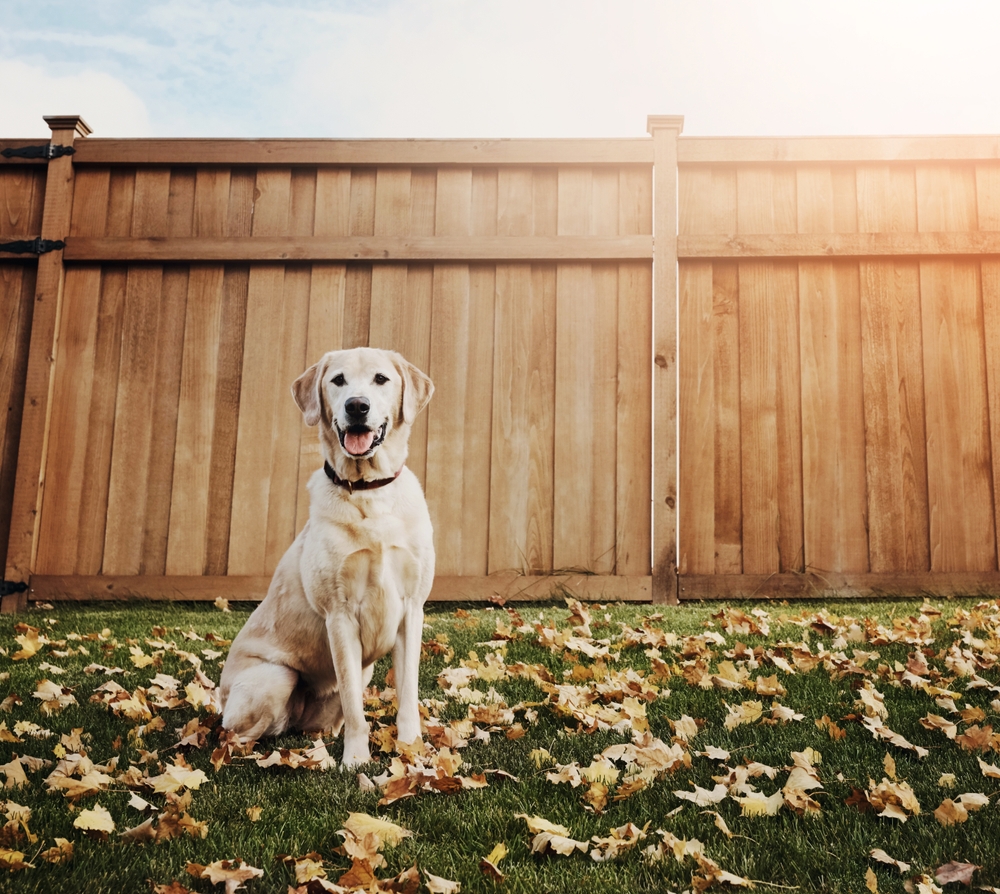
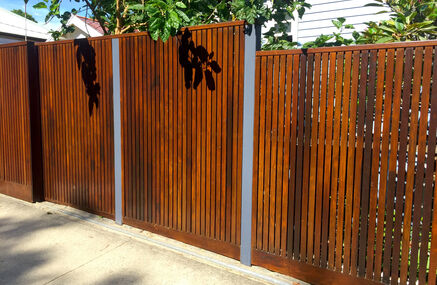
Safety is the foundation of any pet-friendly garden. A secure perimeter is essential, but it does not have to look like a barricade. The 2026 trend focuses on solid, high-quality fencing that reduces external stressors.
If your dog barks at every passer-by, consider our Closeboard Fence Panels. These provide a solid visual barrier that can help calm anxious pets by reducing the visual noise from the street or neighboring gardens.
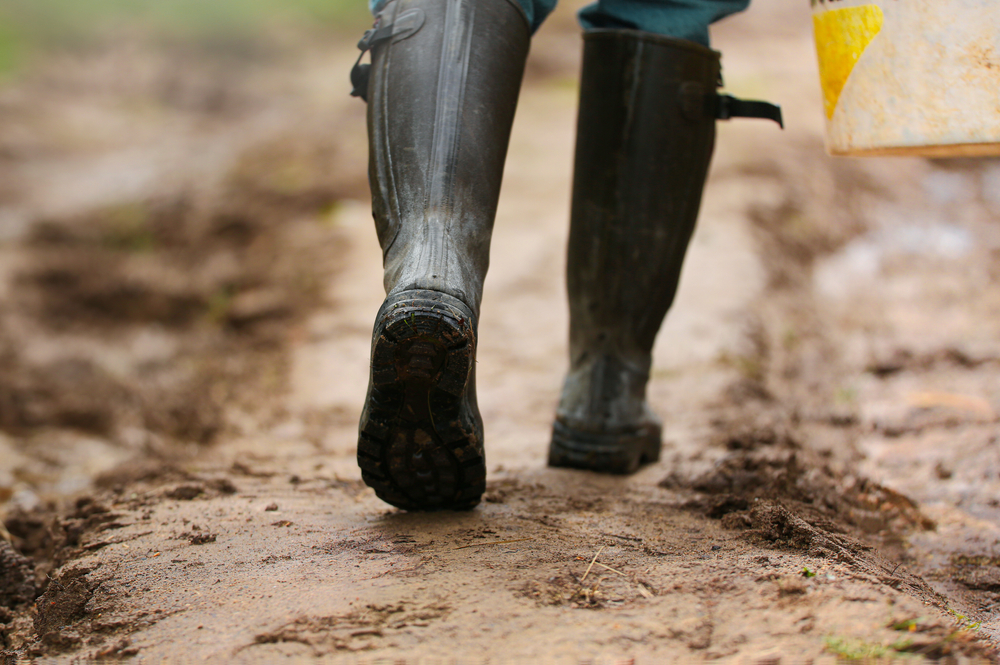
It might feel natural to wait for the sunshine, but January is actually the most strategic time for garden construction.
Designing a pet-friendly garden is about more than just a sturdy fence. It is about using quality materials like treated timber, porcelain paving, and proper drainage to create a space that is as practical as it is beautiful. By embracing the Bark-itecture trend this January, you can protect your home from winter mud and create a durable landscape that lasts for years.
Ready to start your project? Explore our full range of Treated Sleepers and Paving Solutions to find the perfect fit for your garden. If you need advice on quantities or the best aggregates for your sub-base, our team is here to help.
Sources: Sources:
https://www.marshalls.co.uk/gardens-and-driveways/blog/pet-friendly-garden-ideas
https://www.gardenninja.co.uk/dog-friendly-garden-design-guide/
https://www.jacksons-fencing.co.uk/the-edit/garden-trends
https://www.rhs.org.uk/garden-inspiration/design/pet-friendly-garden-ideas
https://www.saga.co.uk/magazine/gardens/dog-friendly-garden